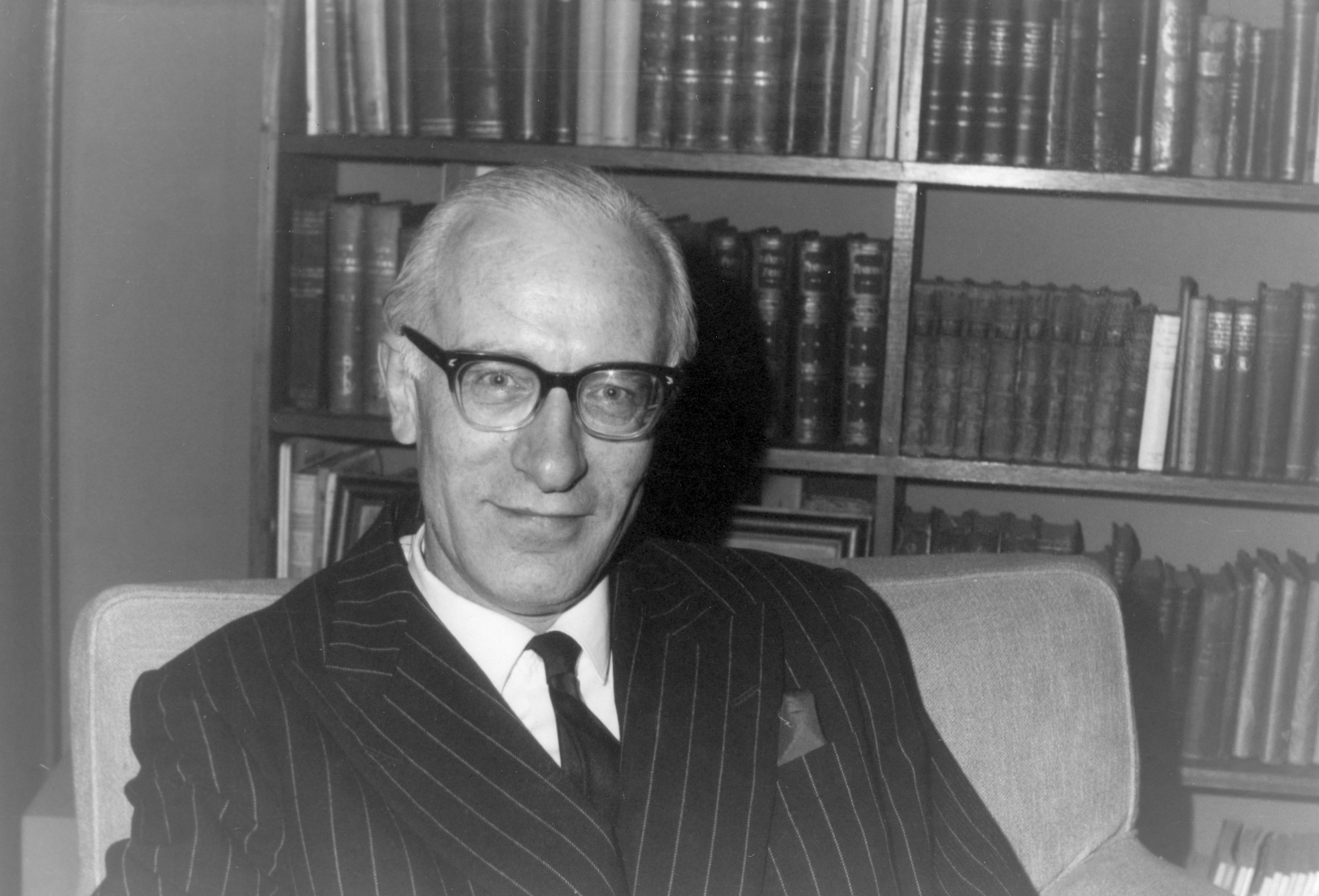
When Sir Joseph Burke (1913-92) arrived in Australia in late 1946 to take up his appointment as Herald Professor of Fine Arts at the University of Melbourne, he saw his role as elevating cultural values through art and education. Reflecting on the British Empire’s colonisation of Australia, he remarked how ‘European vision gradually adapted to challenge the new environment’,1 and that the transmission of eighteenth- and nineteenth-century British and European traditions accelerated as the new colony grew. According to Burke, however, Australia had remained the ‘Cinderella of the Dominions’,2 and a subsidiary of Great Britian that was deprived of the great cultural riches of Europe and its classical traditions. Before implementing his agenda of cultural improvement and educational reform, Burke recognised the need to first familiarise himself with the country and come to understand its people.
Establishing the School of Fine Arts at the University of Melbourne required Burke to not only institute art history as an academic discipline, but to educate the community and popularise art, revise and upgrade educational curriculums from secondary to tertiary levels, and mediate between the University, the National Gallery of Victoria and the public. To this end, Burke oriented his public lectures towards eighteenth-century Europe and the ‘Age of Enlightenment’, the Georgian period in Britian, with a specific focus on the ‘Rule of Taste’, and the period during and following the Napoleonic wars. Reflecting Burke’s classical education, these were periods that he believed marked a great era of reform, when Western art became ‘hydra-headed’,3 and poets, artists, architects and philosophers debated and established the conventions shaping the modern West’s ideals of virtue, beauty and morality. Burke pointed to the fact that during this time the arts moved towards a humanist, ‘secular history of antiquity’4 in which painting flourished under the rubric of istoria, and portraiture not only signified social stature but moral greatness. The artists William Hogarth (1697-1764), Joshua Reynolds (1723-92) and William Blake (1757-1827), the critic John Ruskin (1819-1900), the antiquarians and politicians Francis Bacon (1561-1626), Horace Walpole (1717-97) and Edmund Burke (1729-97) and the architects James Gibbs (1682-1754), Inigo Jones (1573-1652) and Christopher Wren (1632-1723) were amongst Burke’s ‘worthies’.
As many of his former students testified, Burke’s lectures were highly memorable. He was urbane and charismatic, presenting lectures ‘full of wit and beautifully organised’ around a series of glass slides featuring great examples of European art and architecture. Australian art historian Bernard Smith (1916-2011) noted that ‘Burke was essentially a man for the grand occasion, a magnificent orator, a celebrant of what he valued rather than a critic of what he despised’. 5 He engaged his audience brilliantly, with his turn of phrase amusing and inspiring the lay person as much as his students and academic colleagues.6
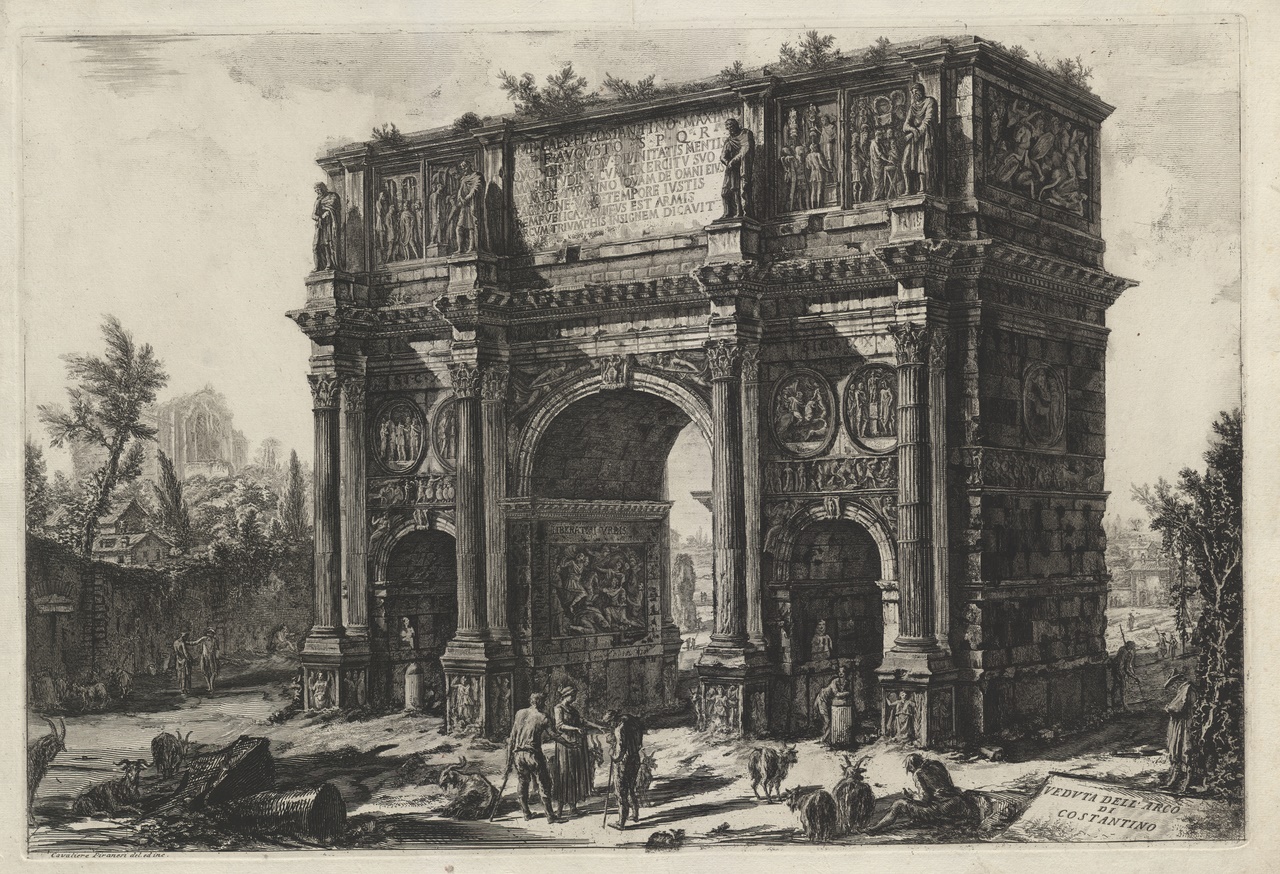
The Grand Tour was one of Burke’s most popular subjects. In his lectures Burke took his audiences through a history of travel: from the Middle Ages, when pilgrims traversed continental Europe to the ‘Holy Lands’, to figures such as the Duc De Berry (1340-1416) −a great patron of the arts whose obsession with accumulating, commissioning and collecting art and antiquities left him bankrupt. In his lectures, Burke spoke of the ‘simplicity of the Ancients’ and the early Christian pilgrimages; of medieval guides through Rome to the Reformation, which Burke regarded as a turning point for Protestant nobility, gentry, scholars and artists.7 He taught that it was ‘during the Renaissance the classical goal became the rival of the Christian pilgrimage. That Brunelleschi drew and measured the ruins of antiquity,’ 8 and Palladio codified Roman architecture; during the Baroque period Giovanni Battista Piranesi drew the ruins of antiquity; and by the eighteenth century the Burlington circle of architects, art patrons and followers of the Palladian Revival style of architecture regarded themselves as patrician Romans who promoted the classical culture of the Mediterranean in Britian.
If the aim of the British Grand Tourists was ‘the humanist goal of completing a classical education by studying the monuments of antiquity,’ and collecting rare works of art,9 what they acquired during their journeys to Rome, Greece and France became inspiration in the domains of architecture, artistic taste, and garden design. This was adapted to the British tastes of the time and when British tourists returned from abroad with antiquities and memorabilia, they endeavoured to build grand Neoclassical buildings to house their ‘embarras de richesse’. Palladian Revival architecture and private museums such as Sir John Soane’s (1753-1837) townhouse museum in Lincoln’s Inn Fields, London, with its cornucopia of antiquities, art and paraphernalia, became fashionable examples of these grandiose impulses.
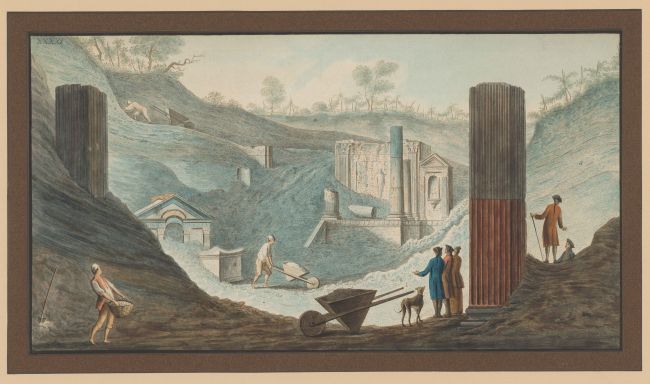
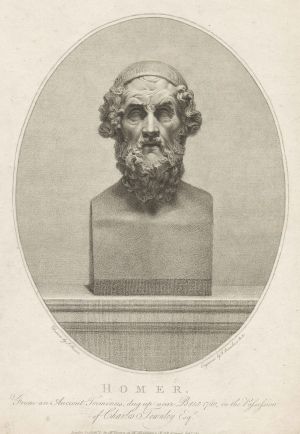
The mid-eighteenth century was also when archaeological discoveries and the mania for collecting specimens flourished. Tourists, many of whom were amateur archaeologists, travelled to Italy and Greece in search of objects for their collections. Prints in The Grand Tour, such as The excavation of the Temple of Isis in Pompeii (1776), Homer. From an ancient terminus, dug up near Baiae 1780, in the possession of Charles Townley Esqr., (1788)and a series of engravings Metope from the Parthenon, (1826-35), illustrating marbles taken from the from the Parthenon in Athens at the instruction of British Ambassador to the Ottoman Empire, Thomas Bruce, 7th Earl of Elgin (1766-1841), illustrate this contested history.
While defined as a ‘programme of travel and study and “an indispensable form of education for young men in the higher ranks of society”’,10 the Grand Tour was not an exclusively British endeavour but had been regarded as part of proper education for young men in Germany, Scandinavia, Holland and France. Nor was it limited to the seventeenth and eighteenth centuries. The Grand Tour continued well beyond that time, the difference being that travel was no longer limited to the very wealthy, or almost exclusively to men. Indeed, Burke’s colleague Dr Ursula Hoff (1909-2005), the National Gallery of Victoria’s curator of prints and a part-time lecturer at the University of Melbourne in the School of Art History, had travelled alone through Europe in 1929, visiting major cities, churches, museums and ruins as a pre-requisite for the study of art history in Germany.
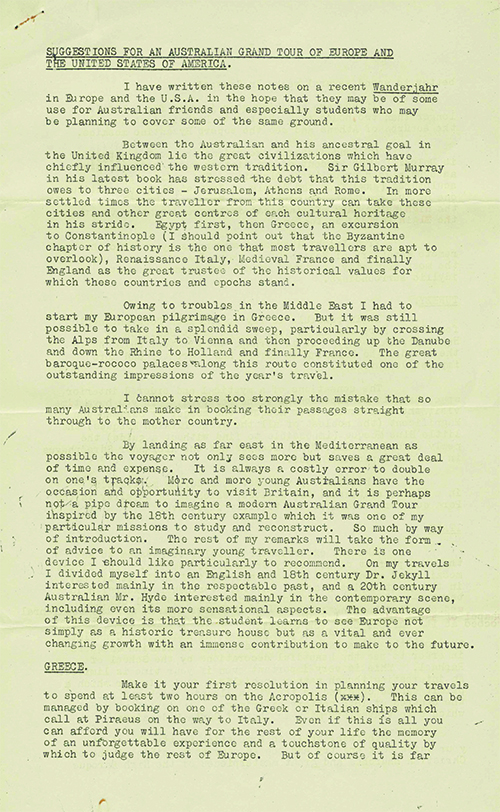
During Burke’s university sabbatical year of 1952, he spent twelve months travelling through Greece, Turkey, Italy, Holland, Belgium, France, Germany, Austria, Switzerland, England and the United States of America. He had previously studied at Yale University in 1936-37, where he had been become acquainted with America’s educated elite, and traversed the east and west coasts visiting public museums and large private estates belonging to prominent American families. After his 1952 ‘Grand Tour’ of the Continent and his brief trip to the USA, Burke returned to Melbourne and gave a public lecture titled 'Suggestions for an Australian Grand Tour of Europe and the United States’. Addressed to young Australian travellers, Burke devised an itinerary that proposed his student should ‘first go to Egypt, then Greece, an excursion to Constantinople, Renaissance Italy, Medieval France and finally England - the great trustee of the historical values’.11 While proclaiming ‘that all great art bears the hallmark of truth to its own age,’12 Burke believed that the aim of the travel was to gain a broad sweep of the Western European tradition in order to acquire what he viewed as appropriate standards of excellence. He proposed that the Acropolis, the Pantheon, Hagia Sophia, Chartres, St. Peter's and Versailles exemplified this.13 Further reinforcing these views, he advised his students to ‘prepare for your Grand Tour by re-reading Gombrich's Story of Art … and Pevsner's Outline of European Architecture.’14 At the same time, drawing from his personal experience he romanticised travel by recounting; ‘From Delphi I crossed mountains by mule to the remote Monastery of Hosios Lukas where I spent a week enjoying the most perfectly preserved of all Byzantine monuments,’15 [and] ‘I sat up all night in the train from Venice to Vienna and did not find this too exhausting …[adding] Salzburg ranks with Venice, Bruges and Edinburgh as one of the most entrancingly situated cities of Europe. Nothing enhances architecture more than water and/or mountains.’16
As a representative of the British world-view Burke furnished his Australian friends, colleagues and students with letters of introduction and a list of cultural sites to visit. Bernard Smith, artists Sidney Nolan (1917-92), Noel Counihan (1913-86), Gordon Thomson, William Delafield Cook (1936-2015), librarian Joyce McGrath (born 1925) and curator and director James Mollison (1931-2020), to name some - as well as numerous university students - were all beneficiaries of Burke’s altruistic support.
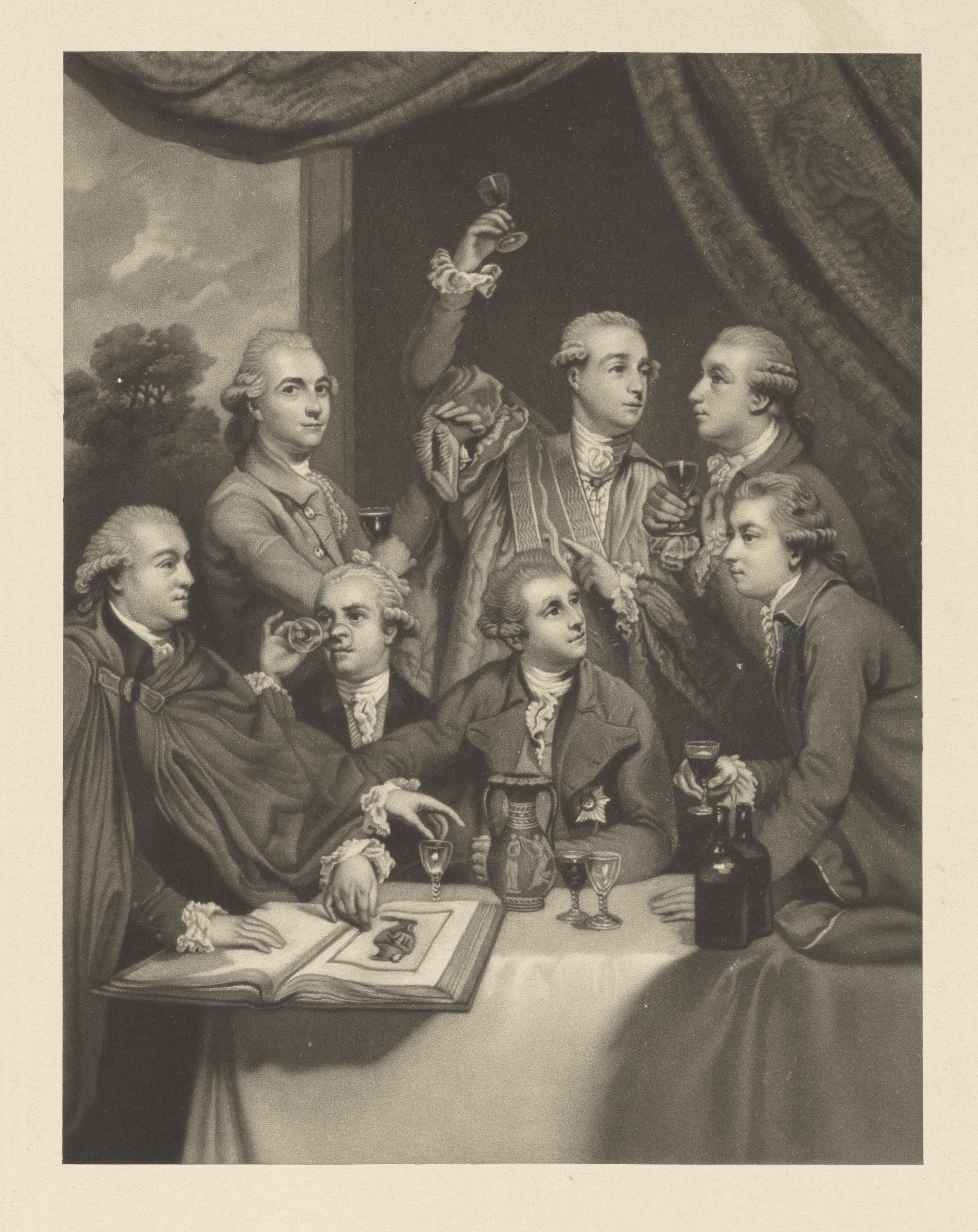
Before arriving in Australia Burke had been a member of several exclusive English clubs, and his desire to recreate these establishments resulted in his founding of the Society of Collectors, an art club for men formed in 1952 at the University of Melbourne. It emulated aspects of the Society of Dilettanti, formed in London in 1734 by a group of British men who shared the experience of having taken the Grand Tour. At this club, Burke introduced the practice of connoisseurship and promoted ‘the cause of collecting in Australia,’ as well as encouraging works of art to be gifted to the University’s art collection.17 Some seventy years later, the Terence Lane Collection, gifted to the University in 2024 by Terence (Terry) Lane OAM (1946-2024) and which provided the inspiration for The Grand Tour exhibition, reflects the legacy of scholarship and connoisseurship championed by Burke and initiated by those present during the ‘golden age’ of the Grand Tour.
Endnotes
[1] Joseph Burke, “Art and the Australian Community”, in Education through Art in Australia, ed. Bernard Smith (Melbourne University Press, 1954),1.
[2] Sheridan Palmer, Centre of the Periphery: Three European Art Historians in Melbourne (Australian Scholarly Publishing, 2008), 78.
[3] Joseph Burke, English Art 1714–1800 (Oxford university Press, 1976), vii.
[4] ibid. 93.
[5] Bernard Smith, “Obituary for Sir Jospeh Burke”, in The Age, (3 April 1992)
[6] For a study of Burke see Palmer, 64–73, 147–164.
[7] Burke, “The Grand Tour and the Rule of Taste”, in Studies in the Eighteenth Century, ed. R.F. Brissenden (ANU Press, 1968), 231.
[8] ibid. 233.
[9] ibid. 232.
[10] Burke, “The Grand Tour and Florence”, lecture given at the National Gallery of Victoria, 1967, 75.
[11] Burke, “Suggestions for an Australian Grand Tour of Europe and the United States” lecture, 1
[12] Burke, “Art and the Australian Community”, 6
[13] Burke, “Suggestions for an Australian Grand Tour …”, 7
[14] Ibid., 6
[15] ibid., 2
[16] ibid. 3
[17] Palmer, 194–5